4g Aziz Ave, Gulberg V, Lahore, 54000

Conflict Resolution

Conflict Resolution Services in Pakistan

Justice Mansoor Ali Shah brings sixteen years of judicial experience in complex commercial and public policy adjudication to his practice in conflict resolution and negotiation. His approach to conflict resolution is defined by fairness, procedural discipline, and durable outcomes, drawing on a jurisprudence that has consistently supported principled settlement over prolonged contestation. Whether guiding parties through structured negotiation or facilitating conflict resolution strategies tailored to the dispute at hand. He brings the same rigor of reasoning, procedural fairness, and commercial sensitivity that shaped over 450 reported judgments during his time on the bench. Parties seeking a seasoned, independent facilitator for high value, cross sector disputes are welcome to contact now to discuss engagement.

A Trusted Name in Conflict Resolution Across Pakistan

Justice Mansoor Ali Shah transition from the bench to conflict resolution practice reflects a natural continuation of sixteen years spent adjudicating complex commercial and public policy disputes. As Senior Puisne Judge of the Supreme Court of Pakistan and, before that, Chief Justice of the Lahore High Court, he authored over 450 reported judgments and decided more than 5,000 cases, many touching directly on the principles that now inform his work in conflict resolution Pakistan wide.

His conflict resolution practice draws on this record to offer parties a rare combination of judicial discipline and practical negotiation sense. Engagements span commercial, institutional, workplace, and family conflicts and resolution, supported by conflict resolution and negotiation skills developed over decades. Alongside his judicial and mediation work, he has held teaching engagements at LUMS, Yale, and the University of Pennsylvania, with earlier academic roles at Punjab Law College, Pakistan College of Law, and the Civil Services Academy. This institutional fluency ensures that disputes are managed with the procedural rigor parties expect, regardless of context.

Underlying this practice is a consistent commitment to well settled conflict resolution strategies, particularly the recognition and enforcement of settlement outcomes, alongside a pro mediation philosophy that treats early, principled resolution as a legitimate outcome rather than a compromise. Parties and counsel considering an engagement are encouraged to contact now to discuss availability and scope.

Conflict Resolution and Negotiation Skills

Independent facilitation drawing on structured conflict resolution and negotiation skills, applied to complex, high value disputes spanning multiple sectors and stakeholder groups.

Structured Negotiation and Facilitation

Institutional Conflict Resolution

Engagements accepted within institutional frameworks, reflecting alignment with recognized conflict resolution standards and global best practice in dispute management.

Institutional and Structured Processes

Ad Hoc Negotiation and Settlement

Experience conducting and presiding over ad hoc negotiation processes, tailored to party autonomy and the specific dynamics of each dispute.

Ad Hoc and Party Led Settlement

Enforcement of Settlement Agreements

A judicial record of upholding the recognition and enforcement of settlement agreements, informed by settled principles of conflict resolution law and good faith obligations.

Recognition and Enforcement

Workplace and Institutional Conflict Resolution

Sector expertise in workplace and institutional conflict resolution, where power imbalances and procedural complexity demand disciplined, fair adjudication.

Workplace and Institutional Disputes

Family Conflict Resolution

Support for family conflict resolution processes, recognizing that family conflicts and resolution require sensitivity, confidentiality, and a settlement aware approach.

Family and Personal Disputes

Community and Public Sector Conflict Resolution

Engagements spanning community and public sector conflict resolution, including disagreements arising from regulatory, administrative, and public interest matters.

Community and Public Sector Disputes

Conflict Resolution Strategies and Capacity Building

Deep grounding in conflict resolution strategies and institutional capacity building, shaped by a substantial body of ADR and mediation center experience.

Strategy and Capacity Building

Contact Now for Structured Conflict Resolution

A pro settlement orientation encouraging early, principled resolution of disputes, reinforced through the establishment of court annexed ADR centers across Punjab.

Settlement Aware Dispute Resolution

Our Approach to Conflict Resolution

Conflict resolution, when guided by judicial discipline and practical negotiation experience, moves disputes toward durable outcomes rather than prolonged contestation. Justice Mansoor Ali Shah approach draws on decades of adjudicating disagreements across commercial, institutional, and personal spheres, applying structured conflict resolution strategies that prioritize fairness, confidentiality, and lasting resolution. Each category of conflict is treated with the sensitivity and procedural rigor it demands, ensuring that parties leave the process with outcomes they can rely on.

Commercial and Business Conflict Resolution

Business disagreements, ranging from contractual disputes to shareholder disagreements require conflict resolution strategies that balance commercial pragmatism with legal certainty. Structured facilitation, backed by strong conflict resolution and negotiation skills, helps businesses resolve disputes efficiently while protecting ongoing operations and commercial relationships.

Mediation and Negotiation Based Resolution

Structured negotiation and mediation remain the most direct route to resolving disputes, allowing parties to reach mutually acceptable terms without escalation. This conflict resolution strategy has been reinforced through the establishment of court annexed mediation centres across Punjab, embedding facilitated settlement as a credible, accessible pathway.

Workplace Conflict Resolution

Workplace disputes, including harassment and power imbalance cases, demand a conflict resolution approach grounded in dignity and fairness. This process treats safety and respect at work as enforceable outcomes, not aspirational goals, ensuring institutional accountability throughout.

Family Conflict Resolution

Family conflicts and resolution require a distinctly sensitive, confidential approach, given the personal and long term nature of the relationships involved. Family conflict resolution here draws on a settlement first philosophy, helping families reach agreements that reduce harm and preserve dignity for all parties.

Environmental and Regulatory Conflict Resolution

Conflicts touching environmental and regulatory matters require resolution strategies informed by scientific evidence and long term public interest. This approach treats environmental conflict resolution as essential to public health, sustainability, and intergenerational fairness.

Constitutional and Governance Level Conflict Resolution

Some conflicts arise at the level of institutions and constitutional authority itself. Resolving these disputes requires a disciplined, restrained approach that respects the separation of powers while ensuring governance remains functional and accountable.

Rights Based Conflict Resolution

Certain conflicts center on the protection of fundamental rights and dignity, particularly for women, marginalized groups, and vulnerable individuals. A rights based conflict resolution strategy ensures these disputes are resolved without compromising equality or fairness.

Inclusive Conflict Resolution for Persons with Disabilities

Conflict resolution processes must remain accessible to all parties, including persons with disabilities. This involves reasonable accommodation and removing systemic barriers so that no party is disadvantaged in reaching a fair resolution.

Institutional and Organizational Conflict Resolution

Disputes within schools, public bodies, and organizations often involve competing institutional interests. Structured conflict resolution strategies applied here prioritize governance integrity, transparency, and accountability, ensuring institutions resolve internal conflict without undermining public trust.

Technology Assisted Conflict Resolution

Emerging technology and artificial intelligence are increasingly shaping how conflicts are identified, managed, and resolved. This approach embraces innovation to improve efficiency and access, while insisting that human oversight and accountability remain central to every resolution process.

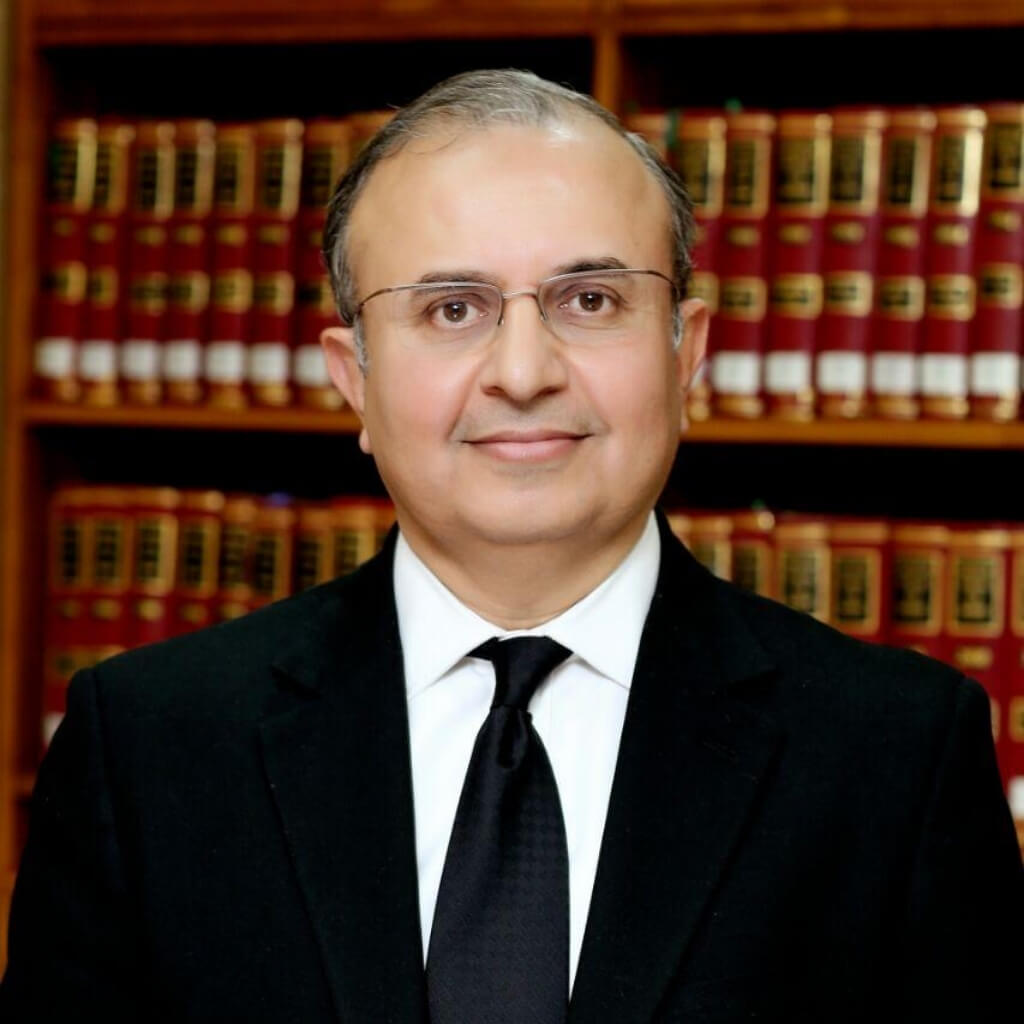
Why Choose Justice Mansoor Ali Shah for Conflict Resolution

Parties selecting a facilitator for a high stakes dispute look for a combination of judicial strength, sector fluency, and procedural discipline. Syed Mansoor Ali Shah offers all three, having decided more than 5,000 cases and authored over 450 reported judgments as Senior Puisne Judge of the Supreme Court of Pakistan and Chief Justice of the Lahore High Court. His pro settlement jurisprudence, combined with hands on institutional reform experience, positions him as a dependable choice for parties navigating conflict resolution Pakistan wide across diverse sectors.

Sixteen Years of Judicial Experience in Complex Disputes

Justice Shah’s conflict resolution practice is built on sixteen years of judicial experience in commercial and public policy adjudication. This depth of exposure to complex, multi-party disputes give him a practical understanding of how relationships unravel and how well reasoned settlements can restore certainty for the parties involved, regardless of the sector or dispute structure at issue.

Recognition and Enforcement of Settlement Outcomes

A consistent thread across his jurisprudence is support for the recognition and enforcement of settlement agreements, aligned with established conflict resolution strategies. Parties engaging him can expect an approach that values finality and minimal reliance on formal litigation, ensuring that outcomes reached are durable, enforceable, and consistent with sound conflict resolution practice.

Sector Expertise Across Diverse Disputes

His practice spans commercial and institutional conflicts, work place disputes, family conflicts and resolution, community and public sector disagreements, and regulatory matters, giving clients confidence that sector specific nuance and conflict resolution and negotiation skills will inform the process.

Institutional Rules and Structured Standards

Engagements draw on structured, institutional conflict resolution frameworks, reflecting familiarity with the procedural standards used across formal and informal dispute resolution settings, and ensuring proceedings run smoothly within which ever framework the parties have chosen.

A Pro Settlement, Family Sensitive Philosophy

As Chief Justice of the Lahore High Court, Justice Shah established court annexed mediation and ADR centers across Punjab, institutionalizing principled settlement, including family conflict resolution, as a credible pathway alongside adjudication. This settlement aware philosophy carries into his conflict resolution practice, where early, well informed resolution is treated as a legitimate and usually preferable outcome.

Frequently Asked Questions

What is conflict resolution?

Conflict resolution is a structured process of resolving disagreements between individuals, families, businesses, or institutions without resorting to prolonged litigation. It typically involves negotiation, mediation, or facilitated settlement, guided by a neutral party who helps identify common ground and reach outcomes that are fair, durable, and acceptable to everyone involved.

He brings sixteen years of judicial experience, over 450 reported judgments, and more than 5,000 decided cases from senior appellate roles in Pakistan’s judiciary. This background, combined with academic engagements at LUMS, Yale, and the University of Pennsylvania, has shaped a settled, pro mediation approach that balances legal rigor with practical negotiation sense.

His practice spans commercial and institutional disputes, workplace conflicts, family conflicts and resolution, environmental and regulatory matters, and community or public sector disagreements. Across each sector, the approach remains grounded in fairness, procedural discipline, and a preference for durable, settlement based outcomes over prolonged contestation.

Absolutely, his jurisprudence has consistently upheld the recognition and enforcement of settlement outcomes. This reflects a broader philosophy that agreements reached through negotiation or mediation should carry the same weight and reliability as formal court orders, giving parties genuine confidence in the process.

Yes, family conflict resolution is supported through a settlement first, confidentiality focused approach. This is informed directly by the court annexed ADR and mediation centers he established across Punjab, which were designed to give families a sensitive, accessible alternative to adversarial litigation for personal disputes.

He applies structured negotiation, facilitated mediation, and pro settlement strategies tailored to the specific dynamics of each dispute. The consistent priority across all these strategies is reaching outcomes that are durable and mutually acceptable, rather than allowing disputes to escalate into prolonged, adversarial proceedings.

Yes, his conflict resolution Pakistan wide practice draws on institutional experience built over decades, including senior judicial roles at the Lahore High Court and Supreme Court of Pakistan, as well as ADR reform initiatives that extended structured mediation infrastructure across the province of Punjab.

His approach prioritizes fairness, procedural discipline, and durable outcomes over prolonged litigation. It treats conflict resolution not as a lesser alternative to formal adjudication, but as a credible, often preferable path to resolving disputes efficiently while preserving relationships and reducing harm to all parties involved.

Prospective parties or counsel can contact now via the chambers to discuss availability, conduct conflict checks, and confirm the scope of engagement. Initial inquiries are handled promptly to help determine whether facilitation, mediation, or another structured resolution approach best fits the dispute.